











‹
›
‹
›
Split Hopper Barge
Product Description
Product Overview
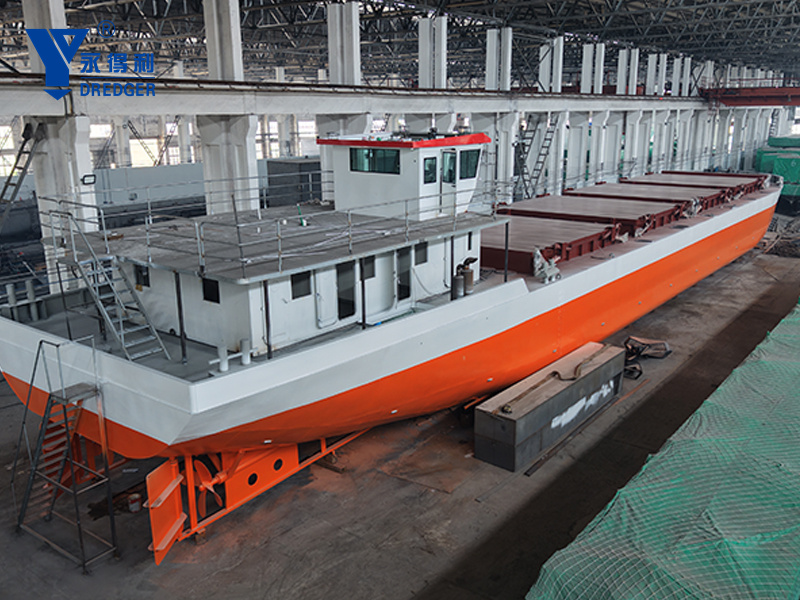
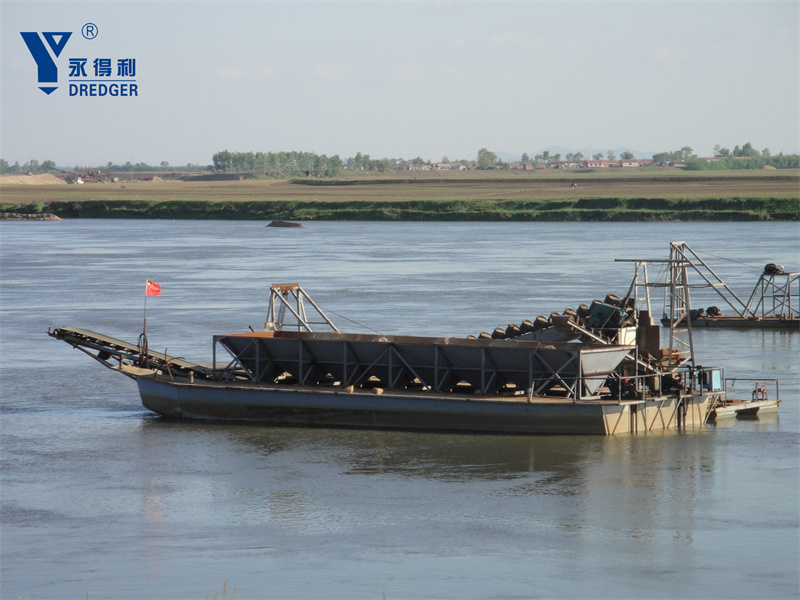
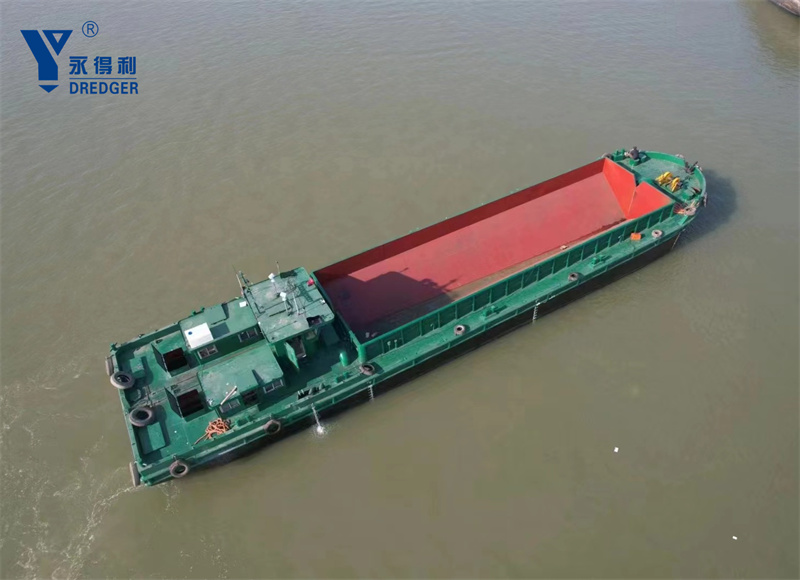
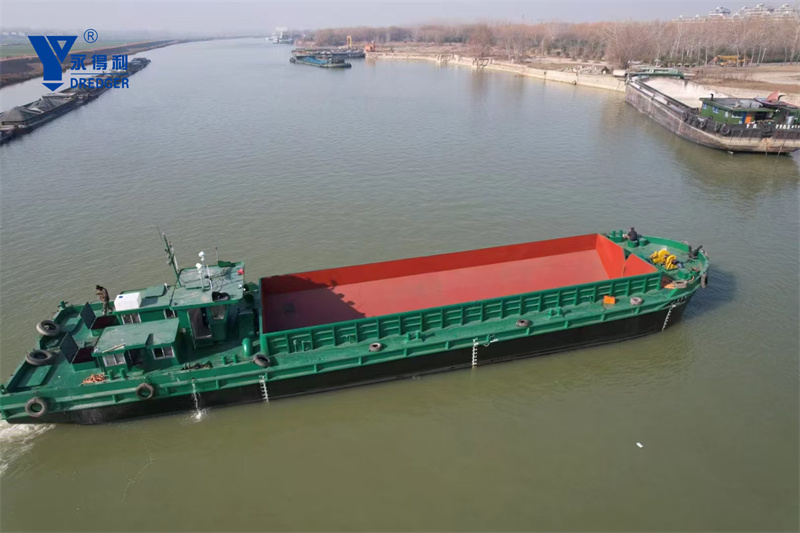
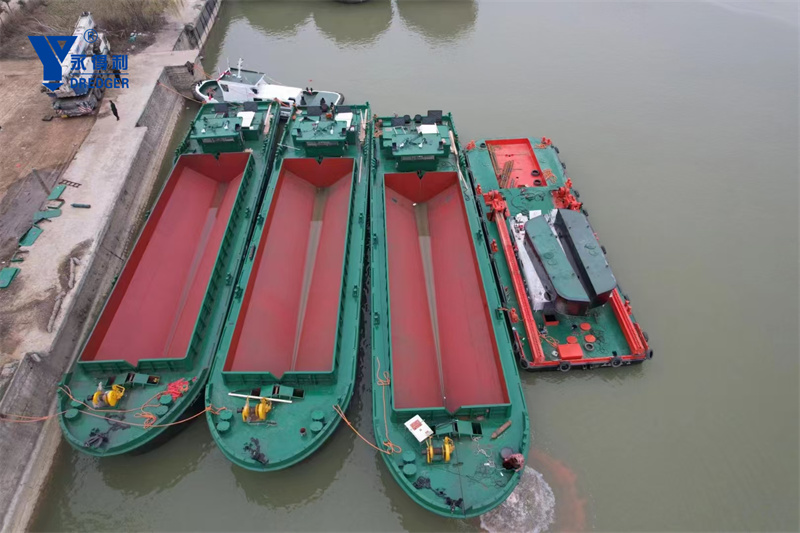
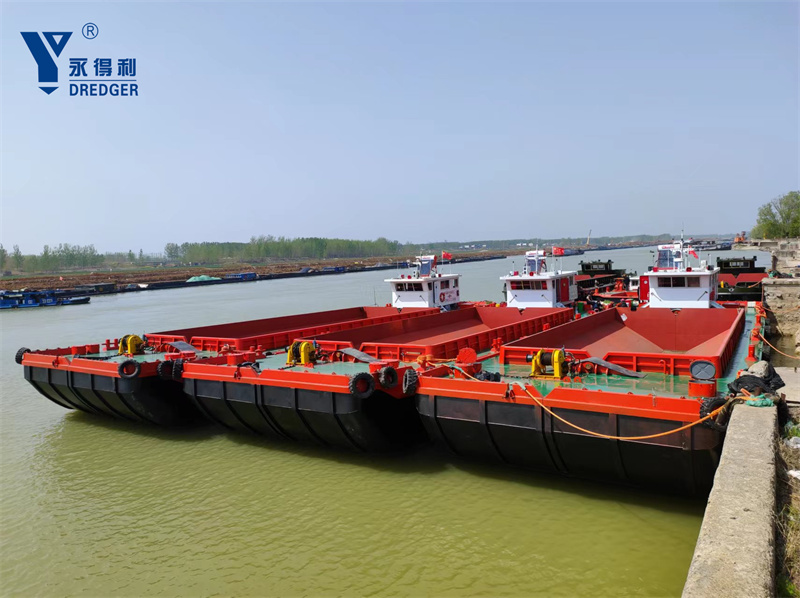
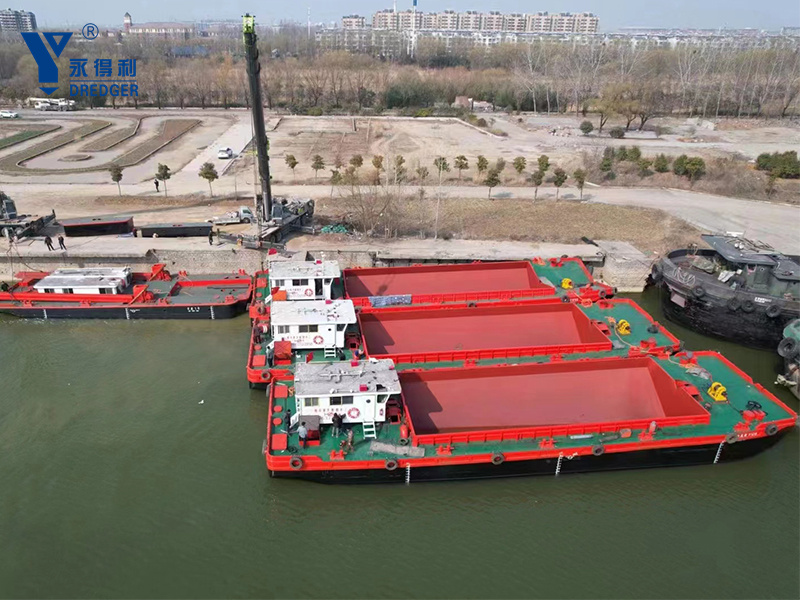
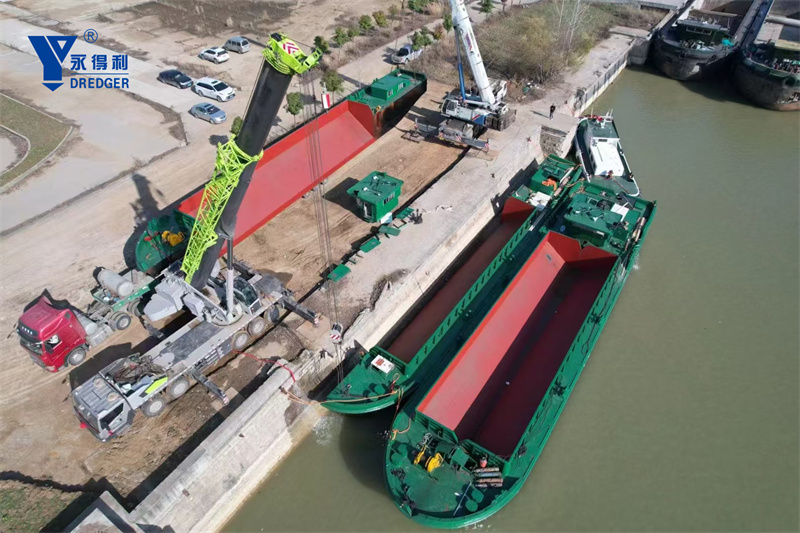
A Split Hopper Barge is a highly specialized marine vessel designed to transport and rapidly discharge dredged materials, such as mud, sand, clay, and blasted rock. The entire hull is split longitudinally into two distinct halves connected by heavy-duty hinges at the top and powerful hydraulic cylinders at the bottom. To unload, the halves are hydraulically pushed apart, allowing the cargo to drop directly out of the bottom of the hull in seconds.
Key Product Features
· Longitudinal Split Hull Design: Engineered in two symmetrical halves that split along the centerline, eliminating the need for complex internal discharge pumps or bottom doors.
· Ultra-Heavy Hydraulic Hinges & Cylinders: Driven by high-pressure, marine-grade hydraulic rams positioned at the deck level to control the splitting and tight sealing of the hull halves.
· Watertight Rubber Sealing Systems: Outfitted with heavy-duty, replaceable rubber seals along the splitting seams to prevent slurry or fine sand leakage during transit.
· Low-Maintenance Open Hold: The smooth, unobstructed internal hopper walls allow even the stickiest materials (like dense clay or rock boulders) to clear out completely without getting stuck.
· Self-Propelled or Towed Configurations: Available as motorized self-propelled vessels for autonomous navigation, or non-propelled dumb barges optimized for tugboat towing.
Wide Application Scenarios
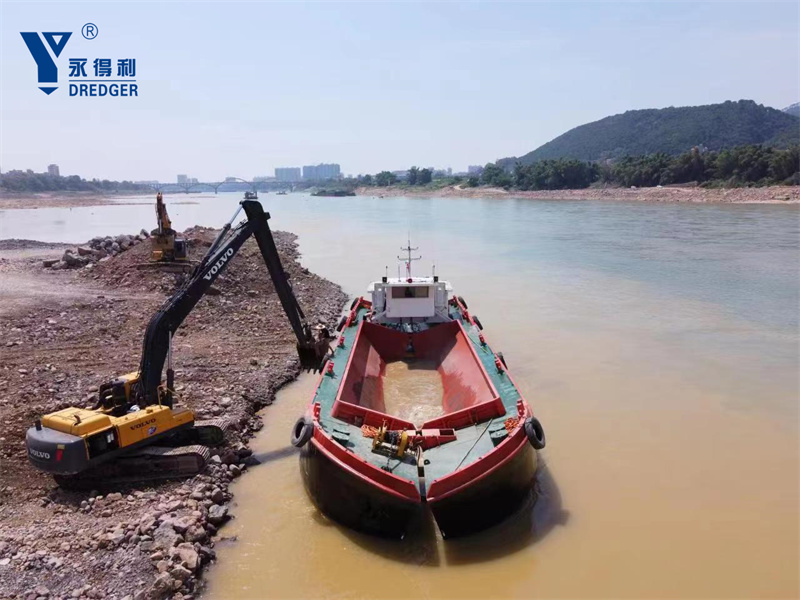
· Capital & Maintenance Dredging: Works alongside trailing suction hopper dredgers (TSHD) or backhoe dredgers to ferry dredged silt, mud, and sand out to offshore disposal sites.
· Offshore Land Reclamation: Used to precisely drop sand and gravel foundations into deep water to build underwater bases for new artificial islands and ports.
· Underwater Trench Backfilling: Perfect for systematically dropping protective armor stone or sand layers directly over newly laid subsea pipelines and cables.
· Breakwater & Reef Construction: Ideal for dumping large quantities of blasted quarry stones or concrete blocks into position to build coastal breakwaters and artificial marine reefs.
How to Select the Right Model
Selecting the ideal split hopper barge depends on evaluating the physical nature of your dredged cargo and the open-sea conditions of your disposal route:
1. Self-Propelled vs. Non-Self-Propelled (Towed):
· Self-Propelled: Essential for high-traffic shipping channels or projects spanning long distances where transit speed and independent maneuverability are critical for keeping up with the dredger.
· Towed (Dumb Barge): Highly cost-effective for short-distance transits or in sheltered harbor zones where a single tugboat can easily cycle multiple barges back and forth.
2. Hull Tonnage & Hopper Capacity (m³): Calculate your target daily production. Match the barge's hopper volume (e.g., 500m³ up to 5,000m³+) with the cycle times and cutting output of your active dredging equipment to prevent operational bottlenecks.
3. Cargo Material & Hull Reinforcement:
· Rock & Boulders: If dropping blasted rock or heavy stone chunks, choose a Heavy-Duty Hardox Steel-Lined hopper to absorb heavy impact forces without denting the hull.
· Soft Mud & Silt: A standard marine-grade steel hold suffices, but ensure the model features premium watertight sealing to avoid dropping valuable fine material mid-transit.
· Sea Conditions & Classification Society (IACS) Requirements: For calm rivers or shallow estuaries, a standard inland barge design is suitable. For open-ocean, deep-water dumping, you must select an IACS-classed (e.g., ABS, BV, Lloyd’s, CCS) ocean-going vessel equipped with heavy-weather stability controls to withstand dangerous swells while the hull is split wide open.
Request a Tailored Quote
Contact our engineering experts today to receive a cost-effective equipment configuration tailored precisely to your specific mineral types or working conditions.
Products Recommended