











‹
›
‹
›
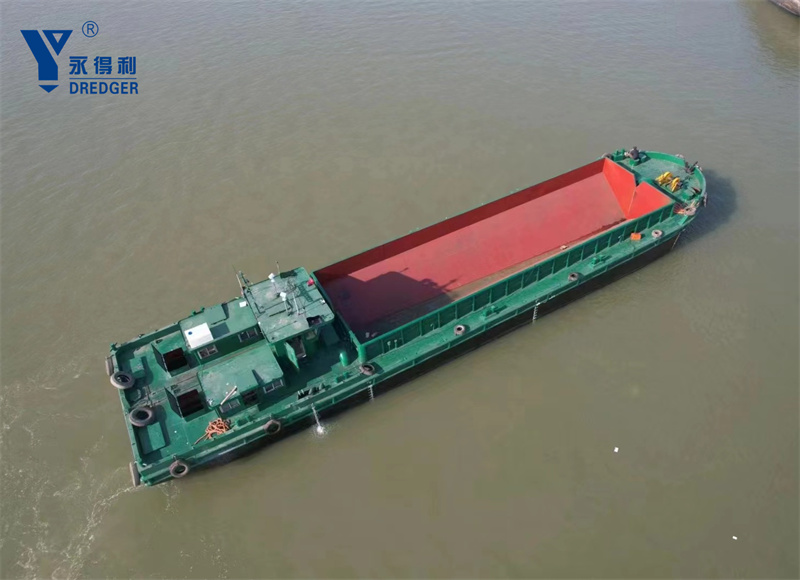
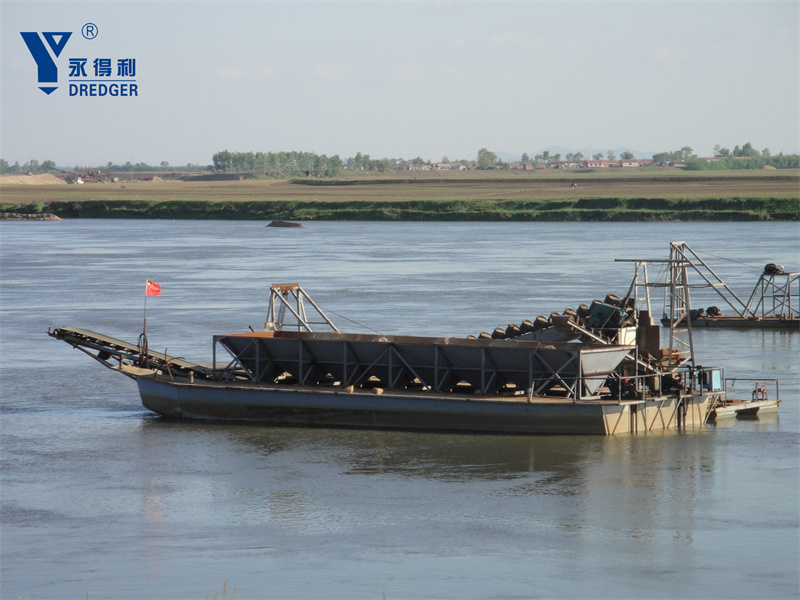
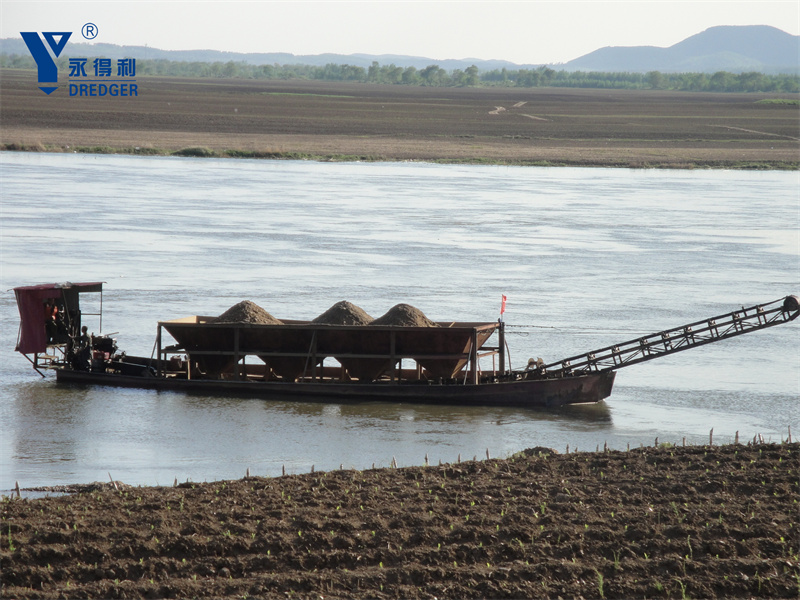
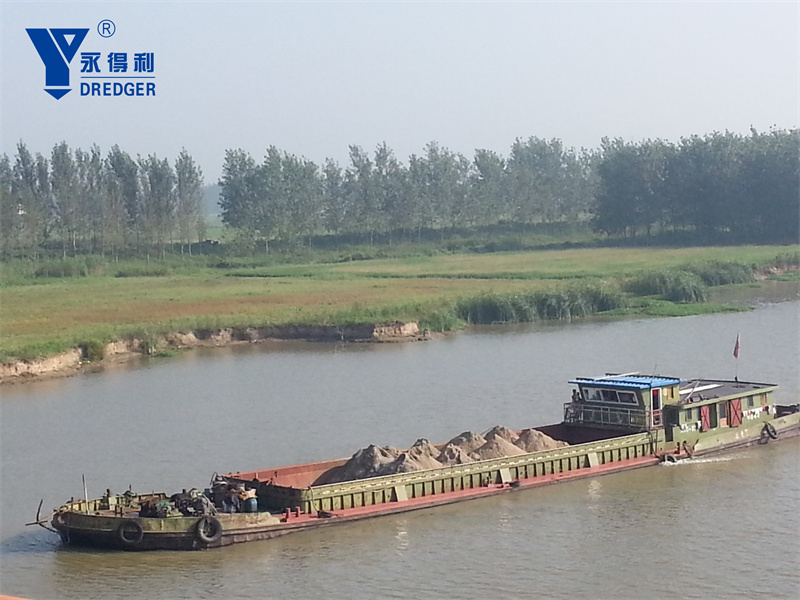
Sand Transport Barge
Product Description
Product Overview
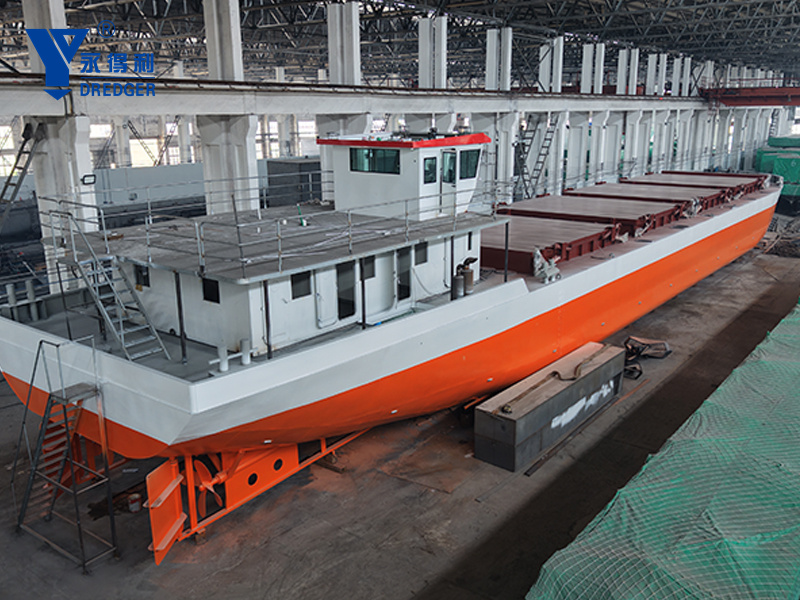
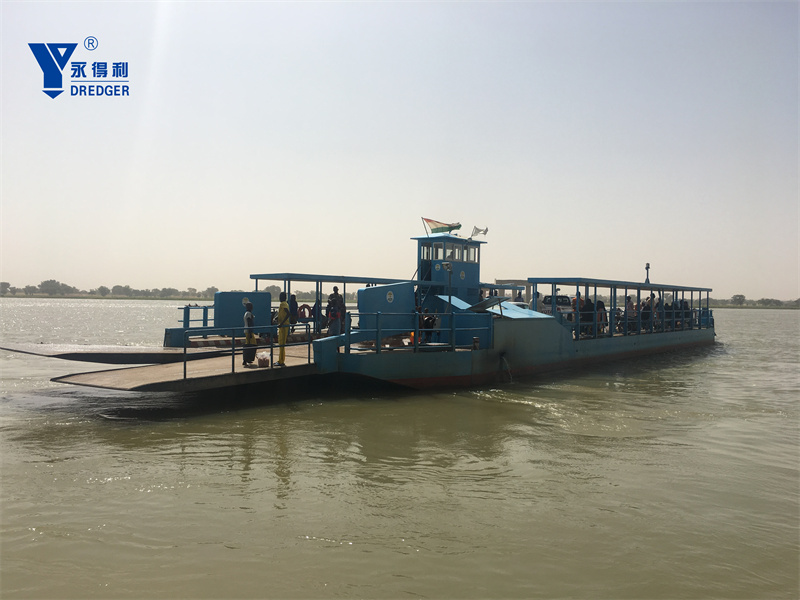
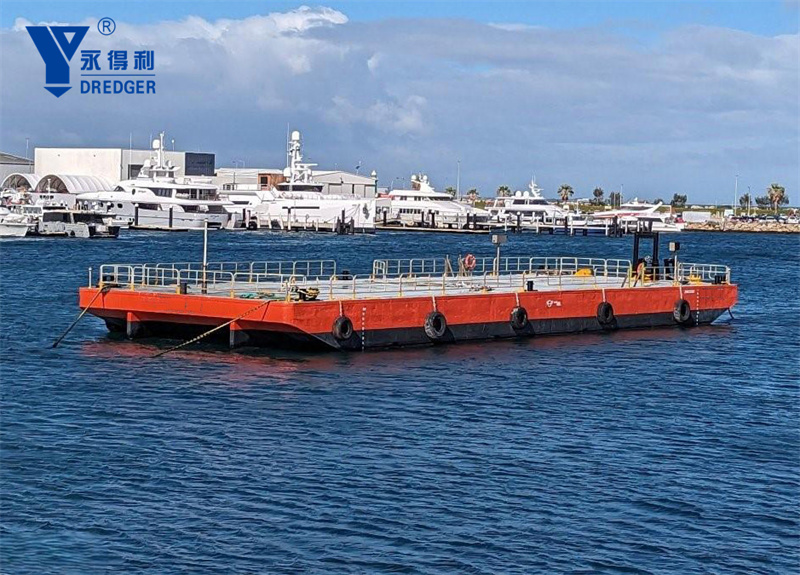
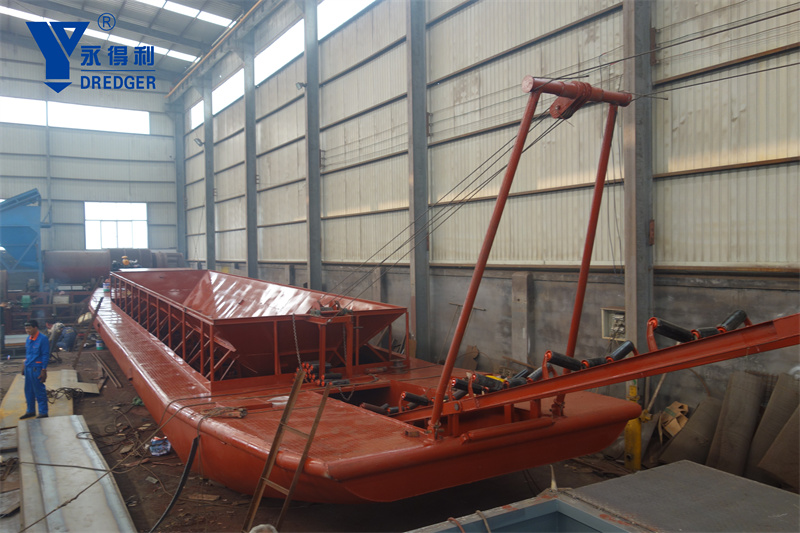
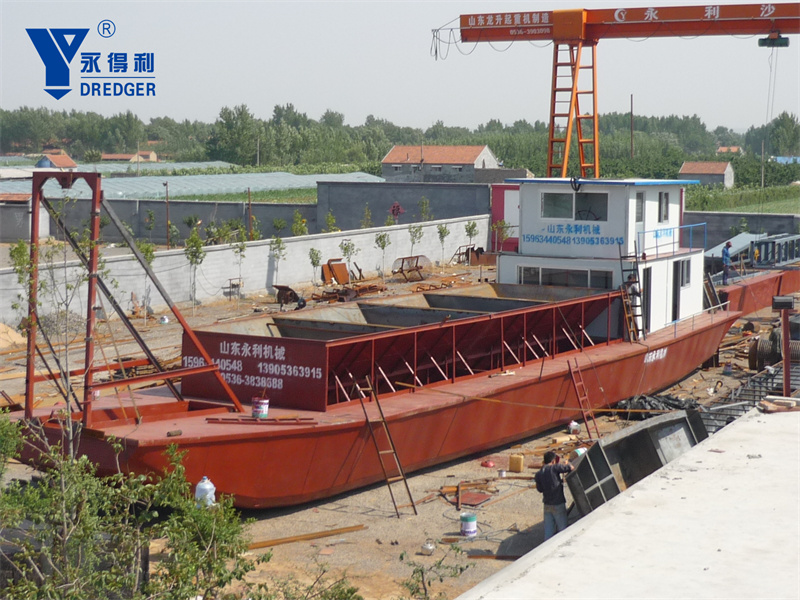
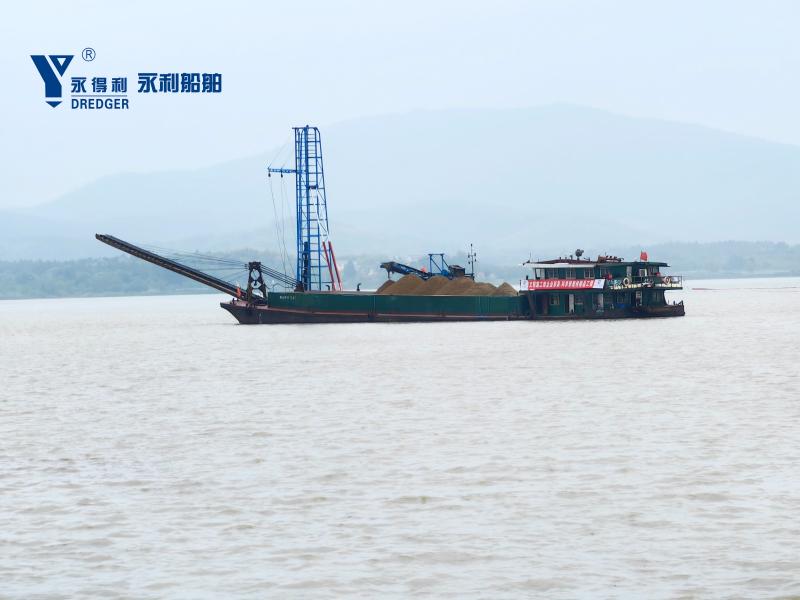
A Sand Transport Barge is a heavy-duty, highly durable marine vessel specifically engineered to haul bulk sand, gravel, aggregate, and wet dredged materials. Whether configured as a self-propelled vessel or a non-self-propelled towed barge, it features an optimized cargo hold design capable of managing dense, shifting, and water-logged bulk loads across inland rivers, lakes, and coastal shipping routes.
Key Product Features
· Reinforced Steel Cargo Hold: The bottom and sides of the cargo hold are built with extra-thick, abrasion-resistant steel plates to withstand continuous impacts from heavy clam buckets, conveyors, and abrasive sand grains.
· Integrated Weep-Hole De-Watering System: Equipped with specialized drainage channels or filter screens that naturally separate water from wet sand during transit, pumping the water back into the river to lower transit weight and improve fuel economy.
· Low Center of Gravity Structure: Designed with a wide beam (width) and a boxy hull profile to maximize structural stability and prevent dangerous cargo shifting when handling dense, heavy bulk loads.
· High-Efficiency Self-Unloading Options: Can be outfitted with onboard integrated belt conveyors, screw unloaders, or traveling grab cranes for fast, automated unloading at ports lacking shore-based machinery.
· Shallow Draft Profile: Features an optimized shallow-draft hull form allowing the barge to carry maximum payloads through shallow sand mining riverbeds, restricted canals, and tidal estuaries.
Wide Application Scenarios
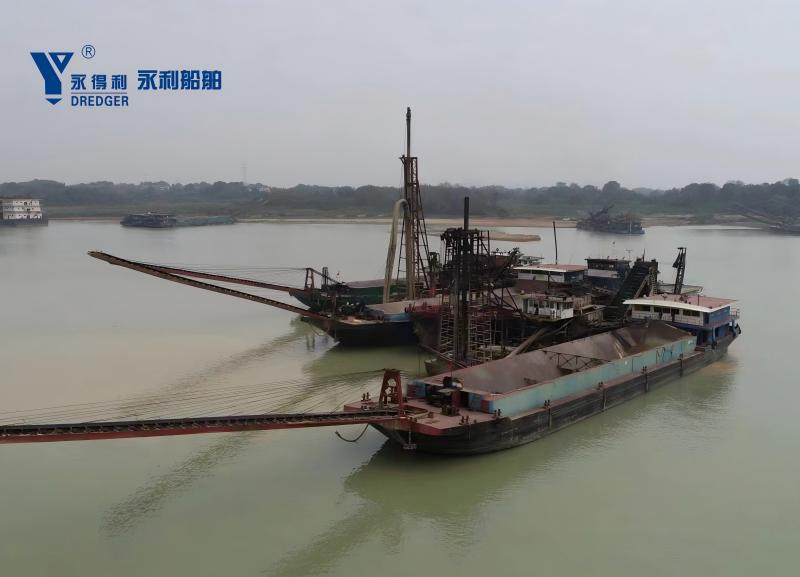
· River & Ocean Sand Mining: Works in direct tandem with sand suction dredgers to transport high volumes of freshly mined sand from riverbeds or marine borrow areas to storage yards.
· Land Reclamation & Island Building: Serves as the primary logistics link for carrying massive amounts of fill sand and aggregate to offshore coastal expansion and reclamation sites.
· Construction Material Logistics: Extensively utilized to move commercial concrete sand, crushed aggregate, and stones from upstream quarries directly to urban ready-mix concrete plants.
· Dredging Project Support: Acts as a hopper receiving vessel to transport wet silt, mud, and sand dredged from commercial shipping channels to dedicated underwater dumping zones.
How to Select the Right Model
Choosing the perfect sand transport barge requires balancing the specific geological qualities of your cargo with your regional waterway constraints:
1. Self-Propelled vs. Towed (Non-Self-Propelled):
· Self-Propelled: Best for busy river networks with tight turns or fast-flowing currents. Offers excellent independent maneuverability and faster transit times.
· Towed Barge: Best for long-distance open coastal transit or high-volume operations where multiple barges can be chained together and moved economically by a single tugboat.
2. Unloading Method (Self-Unloading vs. Open-Hold):
· Open-Hold (Standard): Features an unobstructed, open cargo space. Highly cost-effective to buy, but relies entirely on shore-based excavators or cranes to unload.
· Self-Unloading System: Features a V-bottom hopper hull with a built-in longitudinal conveyor belt. Ideal for discharging cargo quickly onto any standard riverbank without requiring dock infrastructure, saving immense labor costs.
3. Draft Limitations & Local Locks: Check the absolute minimum water depth of your routes during dry seasons. Select a shallow-draft model with an expanded beam to maximize tonnage without running aground. Ensure the hull dimensions (Length Overall and Width) fit cleanly inside local waterway locks.
De-Watering Requirements: If your sand is harvested straight from the river via wet suction dredging, you must choose a model featuring an active bilge pumping and weep-hole de-watering system. Transporting water-logged sand without draining it ruins fuel economy and poses severe cargo-liquefaction stability risks.
Request a Tailored Quote
Contact our engineering experts today to receive a cost-effective equipment configuration tailored precisely to your specific mineral types or working conditions.
Products Recommended