










‹
›
‹
›
Backhoe Dredger
Product Description
Product Overview
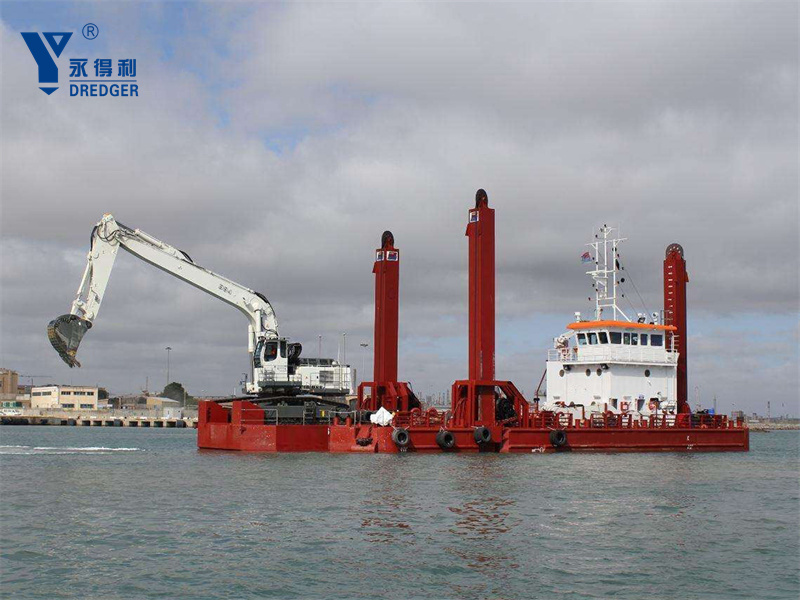
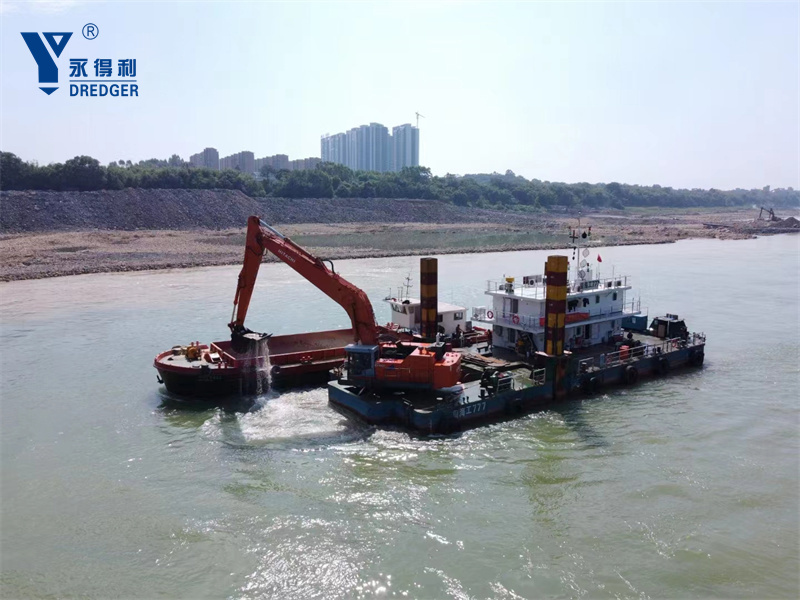
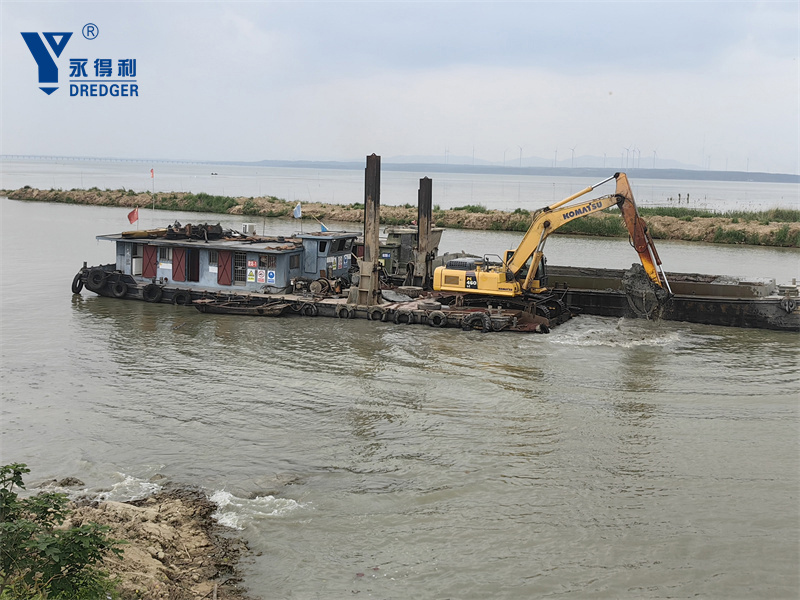
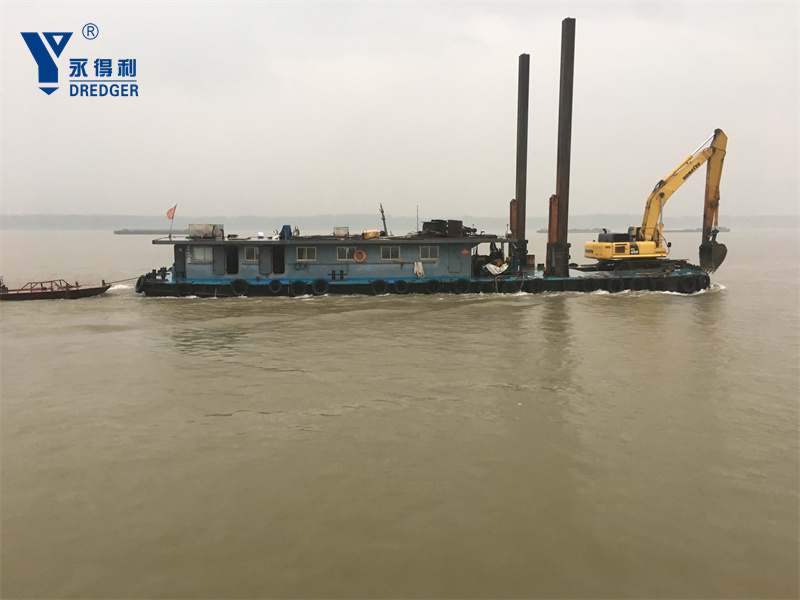
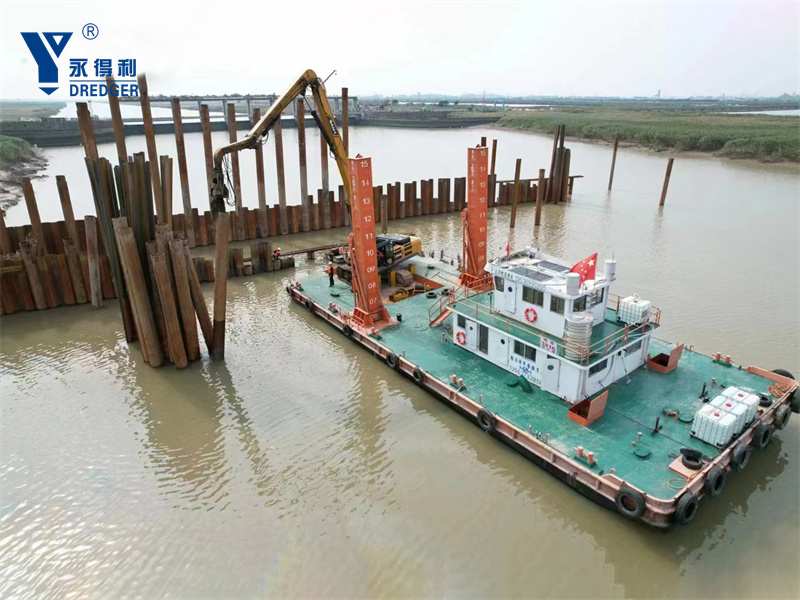
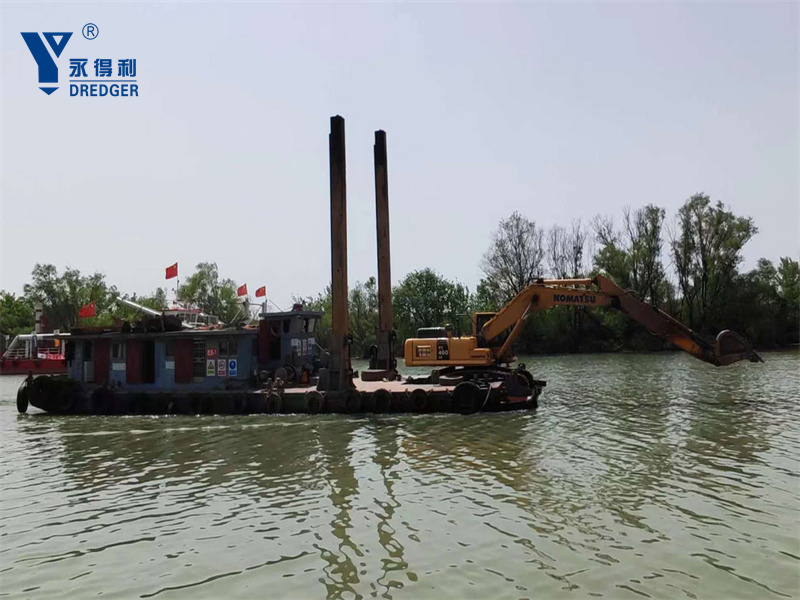
A Backhoe Dredger (BHD) is a highly powerful, stationary mechanical dredger that utilizes a heavy-duty hydraulic excavator mounted on a specialized pontoon. Operating similarly to a land-based excavator but optimized for marine environments, it delivers massive breakout force to tackle the toughest underwater digging conditions.
Key Product Features
• Massive Hydraulic Breakout Force: Equipped with high-pressure marine hydraulic cylinders that exert extreme force to penetrate compacted materials.
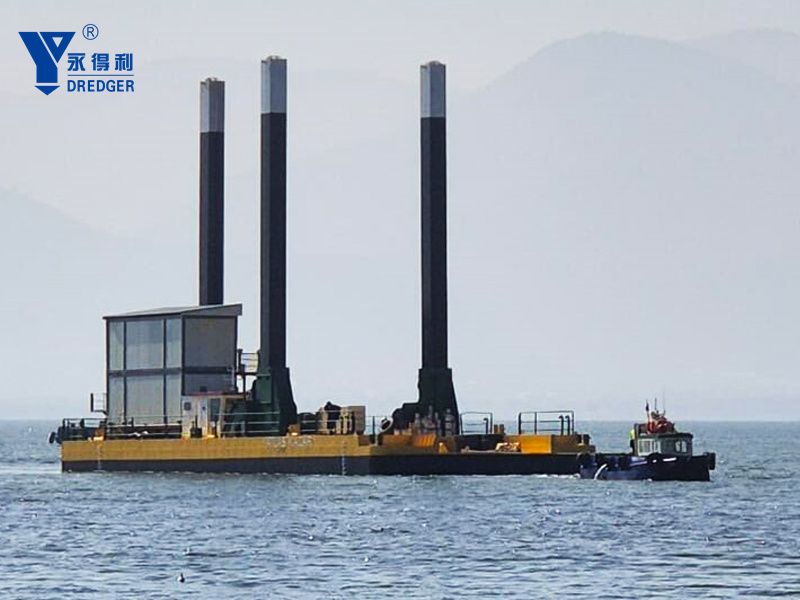
• Heavy-Duty Spud Stabilization: Utilizes three or four heavy steel spuds (legs) driven into the seabed to provide a rock-solid, stable working platform without mooring lines.
• Interchangeable Attachments: Can easily switch between rock buckets, mud buckets, hydraulic breakers, and grabs to handle different materials.
• 360-Degree Marine Excavator: Features a heavy-duty upper slewing structure engineered to withstand high dynamic marine loads.
• Precision Smart Monitoring: Integrated with advanced 3D GPS/RTK visualization systems for centimeter-accurate underwater digging and real-time depth monitoring.
Wide Application Scenarios
• Hard Seabed & Rock Excavation: Ideal for breaking and dredging blasted rock, soft rock, stiff clay, and tightly packed boulders.
• Harbor Expansion & Dock Deepening: Perfect for working in tight, congested harbor basins, docks, and alongside quay walls where pipeline-based dredgers cannot operate.
• Trenching for Cables & Pipelines: Used to dig precise, deep underwater trenches for cross-river or cross-ocean utility lines.
• Debris & Wreck Clearance: Excellent for clearing heavy underwater debris, concrete ruins, and historical obstacles during port redevelopment.
How to Select the Right Model
Choosing the ideal backhoe dredger depends on four critical project parameters:
1. Dredging Depth (Max Depth Requirement): Ensure the boom and arm length can comfortably reach your target depth. Deeper projects require longer, specialized long-reach attachments.
2. Material Hardness (Breakout Force & Tonnage): For soft silt or loose sand, a lighter class machine suffices. For blasted rock or stiff clay, a heavy-class machine (typically over 200–400 tons) is required to deliver the necessary penetration force.
3. Bucket Capacity (Production Targets): Match the bucket size (e.g., 2m³ to 20m³+) with your daily output goals and the capacity of your hopper transport barges.
4. Sea Conditions (Spud Length & Pontoon Size): Deep waters, high tidal ranges, or heavy swells require a larger pontoon hull and longer, reinforced spud systems for structural safety.
Request a Tailored Quote
Contact our engineering experts today to receive a cost-effective equipment configuration tailored precisely to your specific mineral types or working conditions.
Products Recommended